Physical Address
304 North Cardinal St.
Dorchester Center, MA 02124
Physical Address
304 North Cardinal St.
Dorchester Center, MA 02124

Religions News Around the World
Religions News Around the World
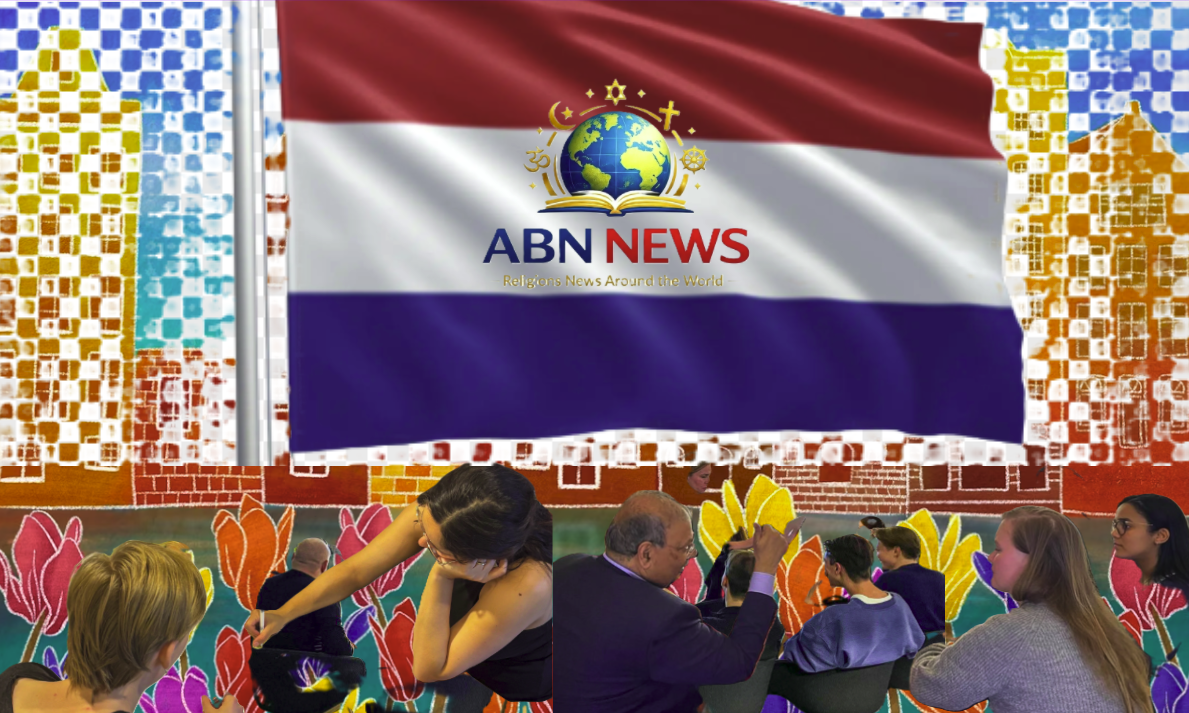
THE HAGUE – ABN NEWS: social cohesion in the Netherlands has found a fresh and human perspective through a grassroots project that challenges conventional integration models. Instead of debating who qualifies as “Dutch,” this movement shifts the conversation toward collective action and shared responsibility.

What makes someone truly belong to a nation? Is it a birthright, a language test, or something deeper that we build together? Have you ever felt like a spectator in your own neighborhood simply because your background did not fit a pre-defined mold?
The initiative, titled “Golven van één zee” (“Waves of one sea”), departs from traditional political debates. It does not try to establish a strict legal or cultural checklist for identity. Instead, the organizers propose that belonging comes from the shared capacity to contribute to the well-being of others.

According to details tracked by the ABN NEWS team, this shift helps dismantle the invisible walls that often divide local communities. The core premise is simple: when people work together to improve their surroundings, they naturally build a sense of home.
This effort emerged from series of discussions regarding discrimination and identity, organized alongside diverse social actors and the Dutch National Coordinator against Discrimination and Racism. Through a series of roundtables, hundreds of residents have sat down together to discuss their shared future.
These gatherings are not typical bureaucratic meetings. They are open, human spaces where participants discuss local realities, dissect quiet biases, and design community projects. ABN NEWS observed that the initiative treats society not as a host group requiring assimilation, but as a single organism where every part has a vital function.
Historically, institutions measure integration through economic numbers and job market statistics. This initiative challenges that narrow lens. Participants highlighted how local mothers, who might not work formal jobs, create vital bonds by organizing neighborhood care and connecting families.
“Unity in diversity requires not assimilation, but the participation of all.” — Kimberley Truin, collaborator of the Office.
This approach directly addresses the subtle, everyday obstacles that official state statistics often overlook. During a roundtable at a rural school, participants initially stated that discrimination was not an issue in their area. However, as the conversation progressed, they began to recognize silent barriers their own neighbors faced.
Addressing these structural gaps requires a coordinated effort across different layers of society. The organizers identify three interconnected areas that need active attention:
The Individual: Cultivating qualities like patience, dedication, and the ability to see others as equals.
The Community: Setting up local forums and storytelling spaces to welcome newcomers.
The Institution: Ensuring public policies and institutional actions represent the unity of humanity.
The real strength of the project lies in how young people translate ideas into concrete projects. In Weert, youth participants proposed neighborhood storytelling sessions to help residents understand each other’s journeys. Meanwhile, in Utrecht, plans for local welcome forums for new arrivals are already taking shape.
By working side-by-side on meaningful tasks, young people find that their cultural differences cease to be barriers. Instead, these differences become sources of strength that build genuine, lasting friendships.
In many Western nations, social policies focus heavily on tolerance. Yet tolerance alone often means merely enduring the presence of others without actually engaging with them. This project shows that true integration requires deeper, more active connections.
This comparison explains why traditional policies sometimes fail to create lasting unity. When a community lacks the spaces to cooperate on a human level, social fragmentation persists.
If you want to apply these concepts in your own town or neighborhood, these simple steps can help guide your efforts:
Start Open Dialogues: Gather a small group of diverse neighbors to share lived experiences rather than debate political views.
Find Shared Goals: Identify local needs, such as helping young students or organizing a neighborhood cleanup, where everyone can participate.
Focus on Strengths: View different cultural backgrounds as assets that enrich the entire community.
True belonging is an active choice, not a passive status. By shifting our focus from identity to contribution, we can build neighborhoods where everyone feels at home.
What is the “Waves of One Sea” initiative? It is a project by the Bahá’í Office of Public Affairs of the Netherlands that shifts the focus of integration from identity definitions to active community contribution.
Who participates in these roundtable discussions? The discussions engage hundreds of local residents, youth, community actors, and the Dutch National Coordinator against Discrimination and Racism.
How does this approach differ from traditional integration? Instead of measuring participation solely by economic output or requiring assimilation, it values any contribution that builds local relationships and social bonds.
What actions have resulted from these discussions? Local youth have initiated storytelling gatherings in Weert, welcome forums in Utrecht, and community activities in language schools to foster mutual understanding.