Physical Address
304 North Cardinal St.
Dorchester Center, MA 02124
Physical Address
304 North Cardinal St.
Dorchester Center, MA 02124
Religions News Around the World
Religions News Around the World
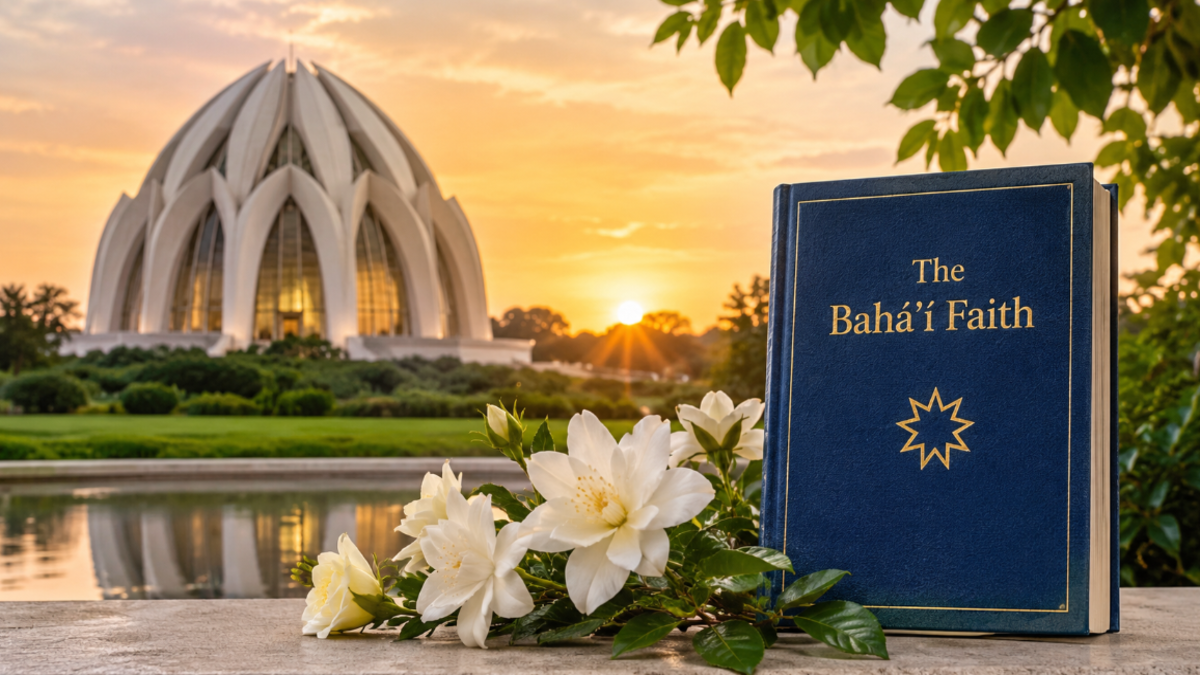
The Bahá’í calendar includes two important holy days associated with the faith’s founders: the Birth of the Báb and the Birth of Bahá’u’lláh. Known together as the Twin Holy Birthdays, they are observed on consecutive days in the Bahá’í calendar and usually fall in October or November on the Gregorian calendar.

For Bahá’ís around the world, these occasions are a time for prayer, reflection and community gatherings. Their dates change from year to year, so the November observance depends on the calendar being followed and the year in question.
The official Bahá’í calendar for 2026 lists two November holy days:

| Date | Observance | Significance |
|---|---|---|
| November 10 | Birth of the Báb | Commemorates the birth of the Báb in 1819 |
| November 11 | Birth of Bahá’u’lláh | Commemorates the birth of Bahá’u’lláh in 1817 |
The dates are confirmed by the Bahá’í World Centre’s calendar. Because the Bahá’í day begins at sunset, each observance starts on the evening before the Gregorian date shown. In 2026, that means the Birth of the Báb begins at sunset on November 9, followed by the Birth of Bahá’u’lláh at sunset on November 10.
bahai.org+1
The Báb, whose name means “the Gate”, was born in Shiraz, Persia, in 1819. He announced His religious mission in 1844, establishing a movement that prepared the way for the Bahá’í Faith.
Bahá’ís regard Him as an independent Messenger of God and the forerunner of Bahá’u’lláh. His birth is therefore remembered not only as a historical event but also as the beginning of a spiritual chapter that would lead to the emergence of the Bahá’í religion.
Bahá’í Reference Library+1
Bahá’u’lláh was born in Tehran in 1817. He is the Founder of the Bahá’í Faith, whose teachings emphasize the oneness of humanity, the unity of religions and the need for global peace.
His birth is commemorated on the day immediately following the Birth of the Báb in the Bahá’í calendar. The two anniversaries are closely connected: Bahá’í scripture describes the Twin Birthdays as days that are “accounted as one in the sight of God”.
Bahá’í Reference Library+1
The title reflects the relationship between the two religious figures and the consecutive-day timing of their birthdays in the Islamic lunar calendar. The Báb’s mission preceded that of Bahá’u’lláh, and Bahá’ís understand the two revelations as connected parts of a broader divine plan.
The dates are not fixed to the same Gregorian days every year. The Universal House of Justice established a method that places the observance on the first and second days after the eighth new moon following Naw-Rúz, the Bahá’í New Year. This is why the Twin Birthdays can fall in October or November.
bahai.org+1
Bahá’í communities mark the Twin Birthdays with gatherings that may include prayers, readings from sacred writings, music and social activities. The format can vary between communities and countries.
These are joyful occasions rather than days of mourning. They also provide an opportunity for people to learn about the lives and teachings of the Báb and Bahá’u’lláh, and to reflect on themes such as spiritual renewal, unity and service to others.
bicentenary.bahai.org+1
Bahá’ís are generally expected to suspend work and school attendance on the designated holy days, subject to the applicable guidance and circumstances. The calendar’s sunset-to-sunset structure is also important when planning community events or checking the dates.
November also includes two significant commemorations connected with ‘Abdu’l-Bahá, the eldest son of Bahá’u’lláh and a central figure in the development of the Bahá’í community.
| Date | Commemoration | Meaning |
|---|---|---|
| November 26 | Day of the Covenant | Celebrates the Covenant established by Bahá’u’lláh and the role of ‘Abdu’l-Bahá as its appointed Centre |
| November 28 | Ascension of ‘Abdu’l-Bahá | Marks the passing of ‘Abdu’l-Bahá in 1921 |
These are listed as significant dates, rather than holy days, in the official 2026 calendar. Bahá’ís commemorate them, but they are not among the days on which work and school attendance are generally suspended.
bahai.org+2
The Bahá’í calendar, known as the Badí‘ calendar, was introduced by the Báb and later confirmed by Bahá’u’lláh. It began in 1844, the year of the Báb’s declaration.
Its structure differs from the Gregorian calendar:
It has 19 months, each containing 19 days.
Additional intercalary days, known as Ayyám-i-Há, bring the calendar into alignment with the solar year.
Naw-Rúz, the Bahá’í New Year, coincides with the spring equinox.
A Bahá’í day begins and ends at sunset.
The moving dates of the Twin Birthdays are a distinctive feature of this calendar. The remaining holy days are fixed within the solar calendar.
bahai.org+1
They are Bahá’í religious holy days, not automatically public holidays for everyone. Whether workplaces or schools close depends on local rules and arrangements.
They follow a lunar calculation within the framework of the Badí‘ calendar. As a result, their Gregorian dates vary from year to year.
Holy days are religious observances on which Bahá’ís are generally expected to suspend work and school attendance. Significant dates are also commemorated but do not carry the same work-suspension expectation.
It begins at sunset on the evening before the Gregorian calendar date listed for the observance and continues until sunset on that date.
The November calendar highlights the foundations and continuity of the Bahá’í Faith. The Twin Birthdays recall the lives of its two central founding figures, while the Day of the Covenant and the Ascension of ‘Abdu’l-Bahá draw attention to the faith’s leadership and the continuity of its community.
From an editorial perspective, understanding the distinction between holy days and significant dates is essential. It prevents confusion over which observances carry work-suspension expectations and helps readers identify the religious meaning of each date. The official Bahá’í calendar remains the most reliable reference because the Twin Birthdays move from year to year.
Bahá’í World Centre — The Bahá’í Calendar: https://www.bahai.org/action/devotional-life/calendar
Bahá’í World Centre — November 2026 Bahá’í Calendar (PDF): https://www.bahai.org/action/devotional-life/calendar/pdf-calendar
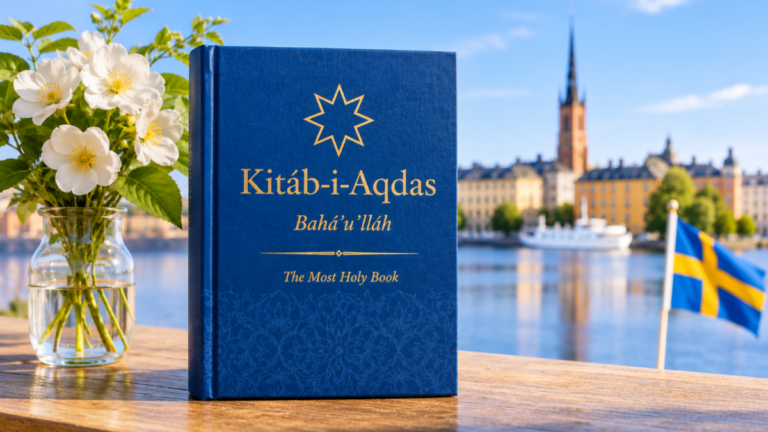
Bahá’í Reference Library — The Kitáb-i-Aqdas, notes on the Twin Birthdays: https://www.bahai.org/library/authoritative-texts/bahaullah/kitab-i-aqdas/16
Universal House of Justice — Message of 10 July 2014 on the Bahá’í calendar: https://www.bahai.org/library/authoritative-texts/the-universal-house-of-justice/messages/20140710_001/20140710_001.pdf
Universal House of Justice — Message of 26 November 2018, on the Day of the Covenant and the passing of ‘Abdu’l-Bahá: https://www.bahai.org/library/authoritative-texts/the-universal-house-of-justice/messages/20181126_001/1