Physical Address
304 North Cardinal St.
Dorchester Center, MA 02124
Physical Address
304 North Cardinal St.
Dorchester Center, MA 02124

Religions News Around the World
Religions News Around the World
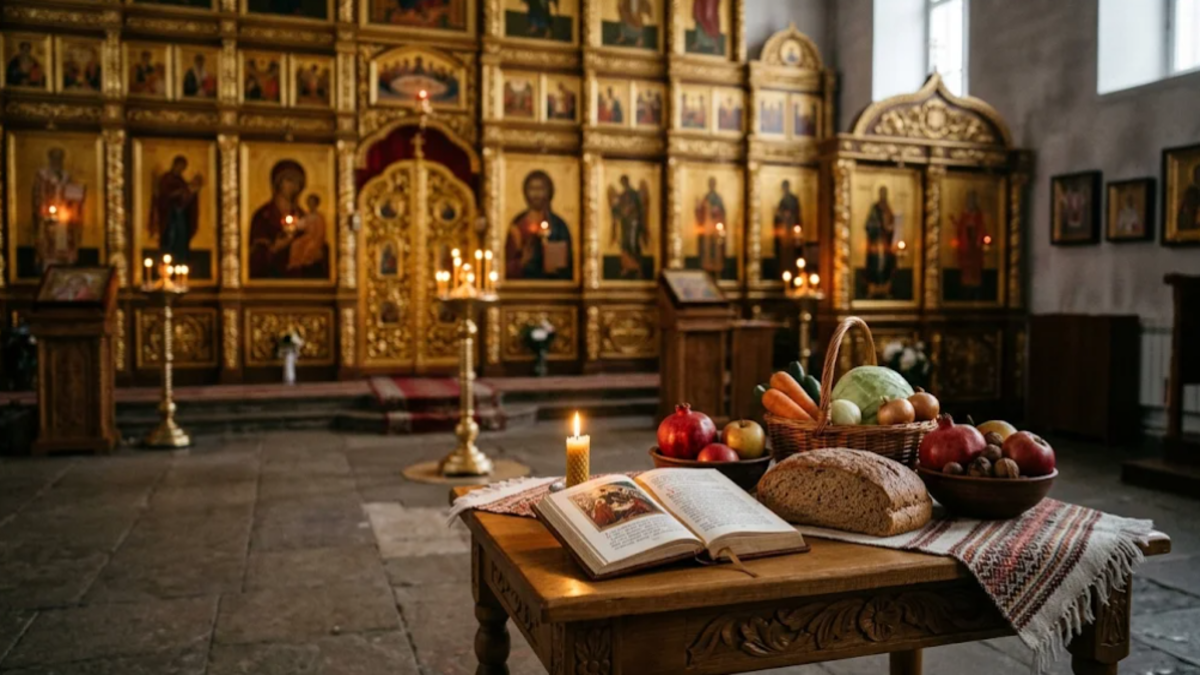
The Eastern Orthodox Nativity Fast begins today, November 15, marking the start of a 40-day period of spiritual preparation for the celebration of the birth of Jesus Christ. Observed by Orthodox Christians before Christmas, the fast combines prayer, repentance, charitable acts and guidelines on food, although specific practices can vary between churches and individual circumstances.

The Nativity Fast, also known in some Orthodox communities as St Philip’s Fast, is one of the four major fasting periods in the Eastern Orthodox liturgical year. It is intended to help believers prepare spiritually for the Nativity of Christ, rather than simply observe a change in diet.
For churches following the Revised Julian calendar, the fast runs from November 15 through December 24, immediately before Christmas on December 25. The Orthodox Church in America (OCA) confirms these dates in its liturgical calendar, while the Greek Orthodox Archdiocese of America also identifies November 15 as the beginning of the 40-day fast.

Orthodox Church in America+1
The period is sometimes compared with Advent in Western Christianity because both seasons prepare believers for Christmas. However, the Nativity Fast has its own Orthodox liturgical traditions, fasting rules and spiritual emphasis.
Not every Eastern Orthodox Christian begins the fast on November 15 according to the civil calendar.
The difference comes from the calendars used by individual churches to calculate fixed religious dates:
Revised Julian calendar: The Nativity Fast begins on November 15 and ends on December 24. Christmas is celebrated on December 25.
Julian calendar: The corresponding dates fall 13 days later on the civil calendar. In 2026, the fast begins on November 28 and continues through January 6, ahead of Christmas on January 7.
This distinction is important when reporting on Orthodox communities internationally. The spiritual observance is broadly shared, but its dates on the civil calendar depend on the tradition followed by each church.
Orthodox Church in America+2
The Nativity Fast traditionally involves abstaining from certain foods, particularly meat, dairy products and eggs. Restrictions on fish, olive oil and wine depend on the day and the local church’s fasting calendar.
The precise rules are not identical everywhere. The Orthodox Church in America describes a traditional pattern in which fish is generally permitted on Saturdays and Sundays during much of the fast, with restrictions becoming stricter in the final days before Christmas. The Greek Orthodox Archdiocese also publishes guidance with its own distinctions between weekdays, weekends and the later part of the fasting period.
Orthodox Church in America+1
Fasting is not intended to be a test of endurance or a goal in itself. Orthodox teaching connects abstinence with prayer, self-discipline, repentance and generosity.
People who are ill, elderly or otherwise unable to follow the usual restrictions may need different arrangements. The OCA advises that fasting rules can be relaxed according to personal circumstances and recommends seeking guidance from a spiritual father or priest.
Orthodox Church in America
The spiritual purpose of the Nativity Fast extends beyond food. Orthodox Christians are encouraged to devote more attention to prayer, worship, reconciliation and helping people in need.
In a pastoral message dated November 15, 2026, Metropolitan Tikhon, head of the Orthodox Church in America, encouraged the faithful to use the season to renew their relationships and turn away from excessive consumerism. His suggestions included helping neighbours, preparing meals for people in need, spending time listening to loved ones and remembering those who have died.
Nativity Fast 2026.docx
The message reflects a central idea of the season: preparation for Christmas should influence everyday behaviour, not only what appears on the table.
For communities celebrating Christmas on December 25, the fast concludes on December 24. The feast itself commemorates the birth of Jesus Christ and is marked by special church services and celebrations.
The Nativity is followed by a period of continued celebration in the Orthodox liturgical calendar. The OCA lists December 25 through January 4 as a fast-free period leading up to the eve of Theophany.
Orthodox Church in America+1
For churches following the Julian calendar for fixed feasts, the equivalent celebrations take place according to their later civil-calendar dates.
The Nativity Fast offers a reminder that religious preparation is about more than observing rules. Its emphasis on prayer, restraint and charitable action gives the season a practical dimension, encouraging believers to consider how their choices affect other people.
The different calendars and fasting customs also show why it is important to avoid treating Eastern Orthodox Christianity as if every community followed an identical timetable. For anyone wishing to observe the season, the most reliable guidance is the calendar and pastoral advice of their own parish.
1. Orthodox Church in America — Fasting & Fast-Free Seasons of the Church
https://www.oca.org/liturgics/outlines/fasting-fast-free-seasons-of-the-church
2. Orthodox Church in America — Metropolitan Tikhon’s Message for the Beginning of the Nativity Fast, November 15, 2026
https://www.oca.org/cdn/PDFs/synod/2026-1115-mt-nativity-fast.pdf
3. Greek Orthodox Archdiocese of America — The Orthodox Celebration of the Feast of the Nativity
https://www.goarch.org/-/feast-of-the-nativity
4. Greek Orthodox Archdiocese of America — Department of Religious Education: Nativity Fast
https://www.goarch.org/-/department-of-religious-education-dre-s-did-you-know-nativity-fast
5. Council of Bishops of the Ukrainian Orthodox Church of the USA — Archpastoral Nativity Fast Epistle
https://uocofusa.org/files/Archpastoral/2023/St-Philip/UOCofUSA-English-Nativity-Fast-Proclamation.pdf