Physical Address
304 North Cardinal St.
Dorchester Center, MA 02124
Physical Address
304 North Cardinal St.
Dorchester Center, MA 02124

Religions News Around the World
Religions News Around the World
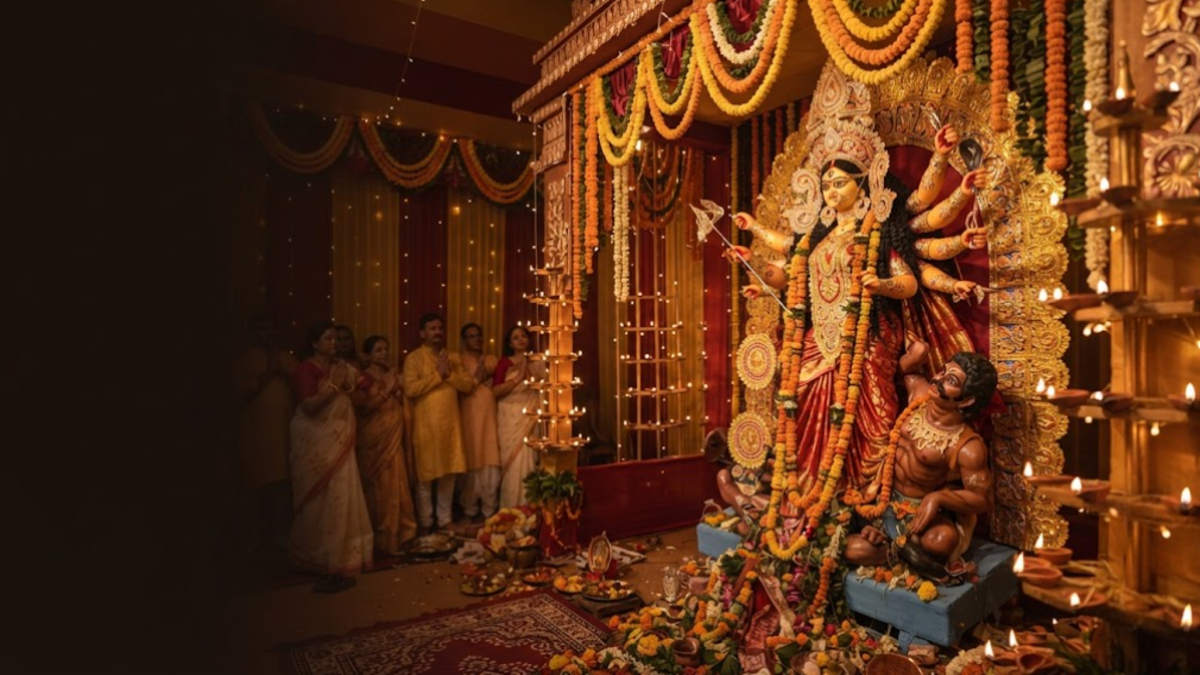
Navaratri begins tomorrow, October 11, marking the start of the annual Sharad Navaratri festival dedicated to Goddess Durga and her nine forms. The nine-day Hindu festival brings families and communities together for prayers, fasting, traditional music, dance and religious ceremonies, culminating in Vijayadashami on October 20.

Observed during the Hindu lunar month of Ashwin, Sharad Navaratri is one of the most widely celebrated festivals in the Hindu calendar. Its traditions vary across India and among Hindu communities worldwide, reflecting the diversity of regional customs and devotional practices.
Sharad Navaratri begins on Sunday, October 11, and concludes with Vijayadashami, also known as Dussehra, on Tuesday, October 20, according to the 2026 Hindu festival calendar published by Drik Panchang.

The festival’s opening day is associated with Ghatasthapana, the ritual installation of a sacred pot that symbolises the invocation of divine energy. Devotees also worship Shailputri, the first of the nine forms of Goddess Durga traditionally honoured during the festival.
The exact timing of rituals can vary according to location, local sunrise and regional religious traditions. Families planning Ghatasthapana should therefore consult a local panchang or trusted temple for timings appropriate to their area.
The word Navaratri means “nine nights” in Sanskrit. The festival honours the divine feminine power, known as Shakti, with particular devotion to Goddess Durga.
In Hindu tradition, the festival symbolises the triumph of good over evil and the restoration of righteousness. The worship of Durga recalls the goddess’s victory over the buffalo demon Mahishasura, representing the defeat of destructive forces.
Each day is traditionally associated with one of the nine forms of Durga, collectively known as Navadurga. Devotees offer prayers, recite religious texts, light lamps and visit temples as part of their observances.
Preparations typically begin before the first day, with households cleaning prayer spaces, arranging offerings and purchasing flowers, lamps and other ritual items.
Common observances during the festival include:
Not every devotee follows the same practices. The form of worship, food restrictions, dance traditions and the timing of particular ceremonies differ between regions and families.
| Date | Festival observance |
|---|---|
| October 11, Sunday | Navaratri begins; Ghatasthapana and Shailputri Puja |
| October 12–17 | Daily worship of the forms of Goddess Durga |
| October 18–19 | Later Navaratri observances, including Ashtami and Navami rituals |
| October 20, Tuesday | Vijayadashami and Dussehra |
The dates above follow the published 2026 calendar. The precise observance of Ashtami, Navami and associated rituals can vary according to the regional calendar and local religious practice.
Although devotion to Goddess Durga connects the festival’s different traditions, celebrations take distinct forms across the country.
In Gujarat, Garba and Dandiya Raas are central attractions, with participants gathering for evenings of music, dancing and colourful traditional clothing. In West Bengal, the period is closely associated with Durga Puja, when elaborately decorated pandals, artistic idols and public celebrations draw large crowds.
In other parts of India, devotees focus on household worship, temple visits, fasting and the recitation of devotional texts. In southern India, some families arrange Golu displays featuring dolls and figurines, while Vijayadashami is associated in several communities with the beginning of learning or new educational pursuits.
These variations demonstrate how Navaratri combines religious observance with regional art, music, food and community life.
With the festival beginning tomorrow, households planning to observe Navaratri can make a few simple preparations:
Those observing the festival for the first time should remember that elaborate arrangements are not universal requirements. Practices depend on personal faith, family tradition and regional custom.
Navaratri is both a major religious observance and an important cultural gathering for Hindu communities. Its celebrations preserve traditional forms of music, dance, worship and community participation while bringing generations together.
As the festival begins, accurate information about dates and local ritual timings can help devotees plan their observances respectfully. Recognising the differences between regional traditions is equally important: Navaratri is celebrated in many ways, united by devotion and the enduring symbolism of the victory of good over evil.
Drik Panchang — 2026 Ashwin Navratri Start Date — Direct link
Drik Panchang — 2026 Shardiya Navratri Calendar for Haridwar, Uttarakhand, India — Direct link
Drik Panchang — 2026 Ghatasthapana Date and Time for Madrid, Spain — Direct link
….Read More
Contact: info@abnnews.net