Physical Address
304 North Cardinal St.
Dorchester Center, MA 02124
Physical Address
304 North Cardinal St.
Dorchester Center, MA 02124

Religions News Around the World
Religions News Around the World
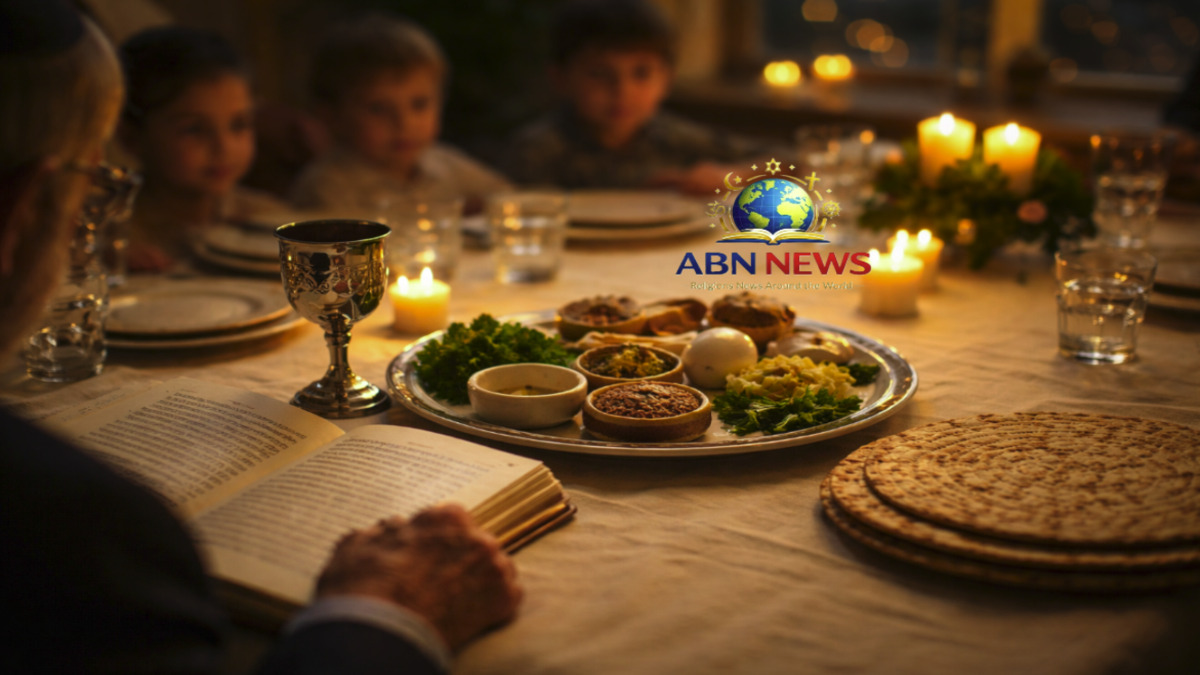
Jerusalem, ABN NEWS: Can a thousand-year-old story of liberation remain the heartbeat of a modern global community? As the Hebrew month of Nisan approaches, the world prepares for Passover, a festival that transcends simple ritual to become a living bridge between the past and the present. Are we truly aware of the profound historical weight carried by a single piece of unleavened bread?
Passover, known in Hebrew as Pesach, stands as a pillar of the Jewish faith, commemorating the dramatic liberation of the Israelites from slavery in ancient Egypt. According to the Book of Exodus, this journey from bondage to freedom was led by the prophet Moses. The holiday draws its name from the final divine plague, which “passed over” the homes of the Israelites, sparing them while marking the end of their captivity.
In 2026, the celebration is expected to begin on the evening of April 1. Following the Hebrew lunar calendar, the festival will conclude on April 8 in Israel and April 9 for those in the diaspora. While the dates fluctuate on the Gregorian calendar, the start date remains a unified moment for all Jewish denominations, including Orthodox, Conservative, and Reform groups.
The core of the holiday is found within the home during the Seder, a meticulously structured ritual meal held on the first night (and the second night outside of Israel). During this gathering, the story of the Exodus is retold using the Haggadah, ensuring that the narrative of freedom is never forgotten. At ABN NEWS, we recognize that these gatherings are more than just dinners; they are educational milestones for the next generation.
Symbolism sits at the center of the Seder table. Participants consume Matzah, the unleavened bread that represents the haste in which the Israelites fled Egypt, leaving no time for their dough to rise. Bitter herbs, known as maror, are eaten to recall the suffering of slavery, while Charoset—a sweet paste—symbolizes the mortar used by the enslaved Israelites in their labor.
Beyond the food, the Seder is a night of inquiry. Children are encouraged to ask questions, reinforcing the idea that tradition is kept alive through curiosity and active participation. This structured evening involves the consumption of four cups of wine, each marking a different stage of the liberation story and the gratitude felt for the gift of freedom.
The lead-up to the holiday is marked by a period of intense physical and spiritual preparation. Families engage in a thorough cleaning of their homes to remove all traces of “chametz,” or leavened products. This includes any food containing fermented grains, such as bread and pasta, which are strictly avoided for the entire duration of the holiday.
In my observation, this transition from regular bread to Matzah serves as a powerful annual reset. It forces a change in daily habits that mirrors the historical transition from the “bread of affliction” to the “bread of freedom.” For seven days in Israel and eight days in the diaspora, the kitchen becomes a space of shared history and dietary discipline.
The first and last days of Passover are observed as major holy days. During these times, restrictions similar to the Sabbath are in place, allowing families to focus entirely on synagogue services, prayer, and communal reflection. These gatherings are essential for fostering a sense of unity and shared identity among Jewish groups worldwide.
While there are small variations in traditions and the duration of the holiday between Israel and the diaspora, the underlying purpose remains identical. Passover is fundamentally about gratitude, faith, and the celebration of freedom from oppression. It serves as a reminder that the struggle for liberty is a recurring theme in human history.
At ABN NEWS, we see that the significance of Pesach extends beyond the Jewish community, offering a universal reflection on the value of human dignity. By passing these traditions to future generations, the holiday ensures that the lessons of the Exodus—valor, faith, and the pursuit of justice—remain relevant in every age.
Ultimately, Passover is an invitation to remember. Whether through the meticulous cleaning of a home or the sharing of a piece of Matzah, the act of remembering becomes a tool for building a more grateful and conscious future. As April 1 approaches, millions will sit down to tell a story that is as much about tomorrow as it is about thousands of years ago.
Frequently Asked Questions (FAQ)
Where does the name “Passover” come from?
The name refers to the biblical event where the final plague in Egypt “passed over” the houses of the Israelites, sparing their firstborn children.
How long does the Passover holiday last?
The holiday lasts for 7 days in Israel and 8 days for Jewish communities living in the diaspora.
What is the main food eaten during the festival?
Matzah, or unleavened bread, is the central food. It is eaten to remember that the Israelites left Egypt in such haste that their bread did not have time to rise.
Why do the dates of Passover change every year?
Passover follows the Hebrew lunar calendar rather than the Gregorian solar calendar, causing the dates to shift annually.
The upcoming celebration of Passover 2026 is a testament to the power of memory. It is a time to reflect on the historical journey from slavery to the promised land, ensuring that the value of freedom is cherished by all.