Physical Address
304 North Cardinal St.
Dorchester Center, MA 02124
Physical Address
304 North Cardinal St.
Dorchester Center, MA 02124
Religions News Around the World
Religions News Around the World
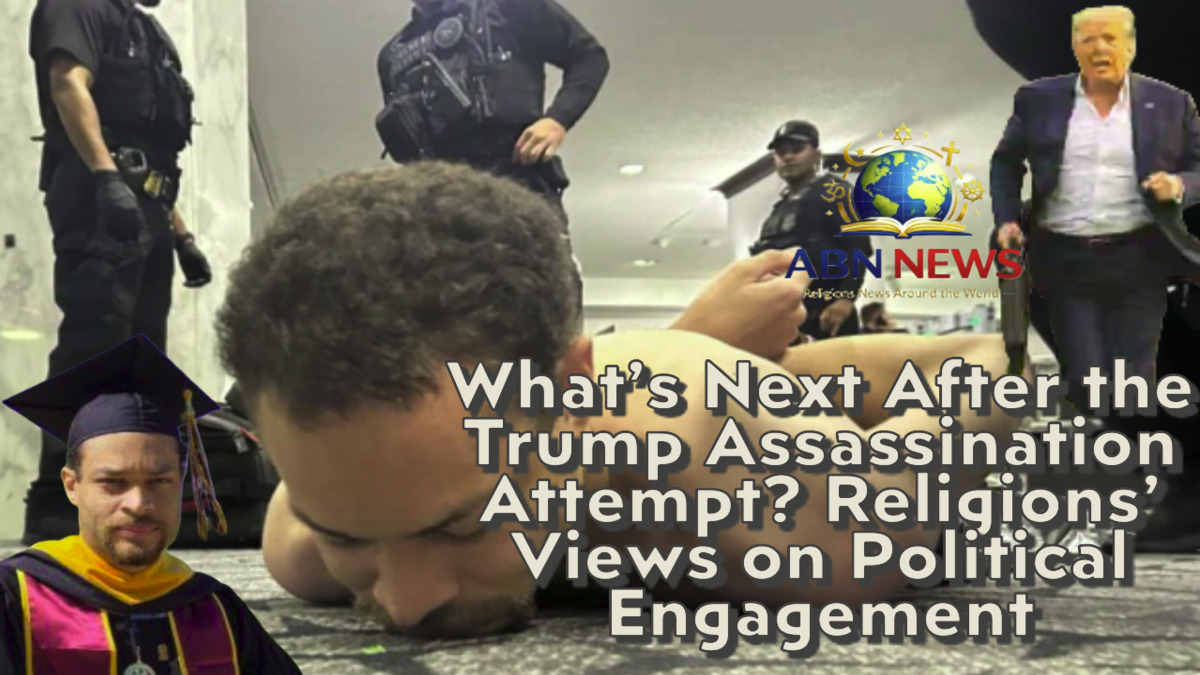
Washington – ABN NEWS: Religions’ Views on Political Engagement : A single moment in Washington has left the world holding its breath. But as the political dust settles and the sirens fade, we find ourselves staring into a mirror—where did it all go wrong? Is our political world beyond repair, or have we simply lost our moral compass?

The reported attempt on Donald Trump’s life has reignited a fierce global debate. It’s no longer just about security failures or Secret Service protocols; it’s about the very soul of how we engage in politics. Does faith offer a shield against this chaos, or is it being used as a weapon?
Before we dive into the heart of the matter, we must be clear: ABN NEWS is presenting the official doctrines and original teachings of these religions. We are looking at the “texts,” not the “followers.” History shows a massive gap between what a scripture says and what a person does in its name. Let’s separate the faith from the headline.

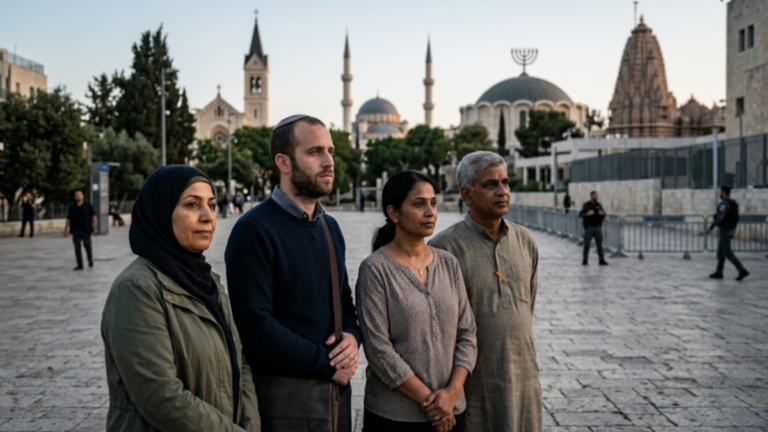
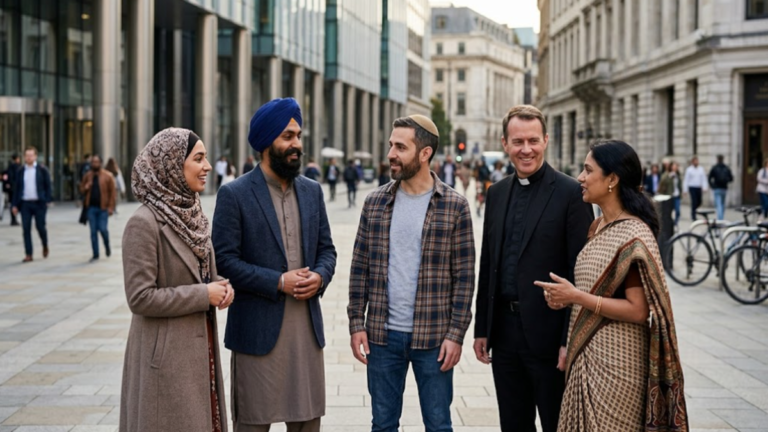
In a world that feels increasingly polarized, how do the world’s ancient and modern belief systems view the act of political struggle? Here is the direct perspective from the core of each faith:
Islam: The sanctity of life is absolute; killing one soul is like killing all of humanity, and political change must never bypass ethical justice.
Christianity: It centers on the “Sermon on the Mount”—reconciliation and love over revenge—teaching that peace is the only legitimate path for social conflict.
Judaism: Upholds a strict legal framework where the preservation of life (Pikuach Nefesh) overrides almost any political or social agenda.
Buddhism: Rooted in Ahimsa (non-violence); any harm caused to others creates a spiritual imbalance that no political victory can justify.
Hinduism: Focuses on Dharma (moral duty), where protecting society is a virtue, but violence is viewed as a last, tragic resort in exceptional contexts.
Sikhism: Merges the “Saint” and the “Soldier,” advocating for peace but allowing defensive action only when all other means to stop oppression have failed.
Jainism: Perhaps the most radical in its peace; it forbids harm to any living being, making political assassination fundamentally unthinkable.
Bahá’í Faith: Teaches that humanity is one single soul; therefore, political aggression is seen as a self-inflicted wound on the body of mankind.
Taoism: Sees violence as a disruption of the “Tao” (the natural way), suggesting that true leadership flows through harmony, not force.
Confucianism: Believes that if a leader must use violence to maintain order, they have already failed the ethical test of governance.
Shinto: Prioritizes the “Wa” (social harmony), viewing political disorder and assassination as a pollution of the communal and natural spirit.
Zoroastrianism: Frames existence as a struggle of “Good Thoughts, Good Words, Good Deeds” against chaos; violence is the ultimate tool of disorder.
The Trump incident at the Hilton Hotel reveals a chilling reality: the “exclusion zone” is no longer just a physical line. It’s a psychological one. When we stop talking and start shooting, we aren’t just attacking a candidate; we are attacking the concept of a shared society.
Experts suggest that this event is pushing governments to rethink the balance between a “free, open democracy” and the “fortress-like security” needed to keep leaders alive. It’s a sad trade-off, isn’t it? The more we fear each other, the less “open” our societies become.
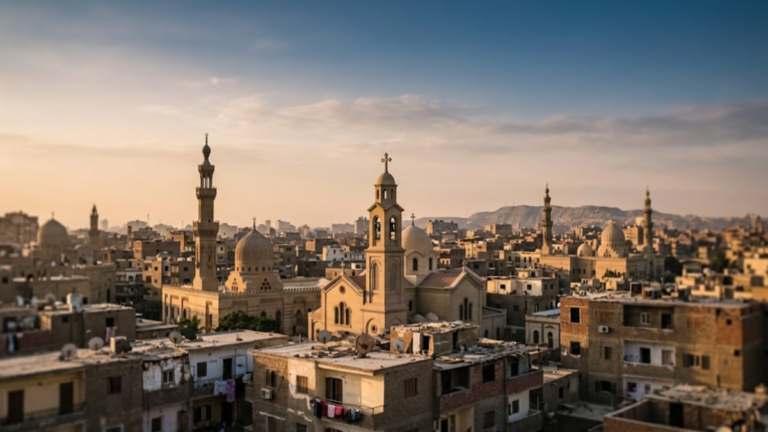
While these religions differ in their rituals, they converge on a single, powerful point: human life is not a tool for political gain. The challenge for the 21st century isn’t finding new laws; it’s remembering the old ones that tell us to stay human in a digital, angry age.
Can these shared ethics actually stop the next bullet? That depends on whether we start listening to the teachings—and not just the people who claim to represent them.
What exactly happened in the Trump incident?
A reported shooting in Washington led to the emergency evacuation of Donald Trump. While he remained safe, the breach has caused a massive security review.
Does any religion support political assassination?
No. Mainstream doctrines across all major faiths strictly prohibit unlawful killing and the use of murder as a political shortcut.
Why do we see violence linked to religion then?
It is usually a case of political “hijacking”—where religious symbols are used to justify personal or nationalistic agendas that the original faith does not support.
What is the “Religions’ views on political engagement” takeaway?
The core takeaway is that dignity and the sanctity of life are the only “legal” foundations for any political action in theological thought.