Physical Address
304 North Cardinal St.
Dorchester Center, MA 02124
Physical Address
304 North Cardinal St.
Dorchester Center, MA 02124

Religions News Around the World
Religions News Around the World
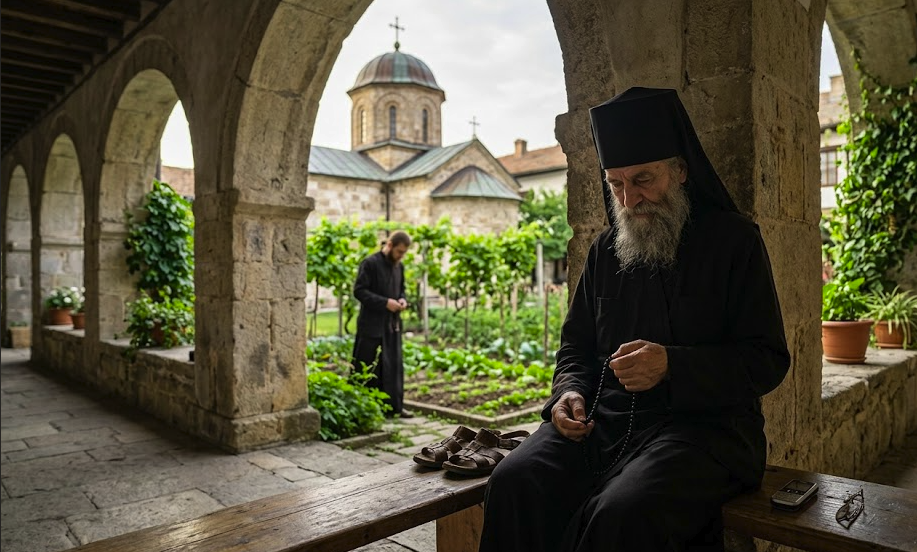
Vatican City – ABN NEWS: What happens inside closed monasteries has fascinated outsiders for centuries, fueling endless cinematic myths and gothic legends. Many people imagine these stone walls as gloomy prisons where individuals are trapped in endless silence. Is this dramatic portrayal accurate, or does the reality offer a completely different narrative of peace and purpose?

To understand these sacred spaces, we must strip away the sensationalism of Hollywood thrillers. Closed monasteries, often referred to as cloistered or contemplative communities, are not places of punishment. Instead, they are highly structured, self-sustaining communities where men or women choose to live a life entirely dedicated to spiritual devotion.
According to information obtained by the ABN NEWS team from ecclesiastical experts, these institutions operate under a specific “Rule of Life.” This foundational document guides every action, balancing communal responsibilities with individual contemplation.

Every established order relies on a specific set of ancient guidelines. The most famous framework in the Western world is the Rule of Saint Benedict, which dates back to the sixth century. This rule emphasizes a balanced life, preventing monks from falling into the traps of excessive laziness or extreme exhaustion.
Eastern Orthodox traditions follow similar patterns, relying heavily on the teachings of Saint Basil the Great. Though the cultural contexts differ, the ultimate spiritual objectives remain virtually identical across continents.
A common misconception suggests that monks are locked away against their will. This idea contradicts the foundational principles of modern religious law, which mandates a rigorous discernment process before anyone takes permanent vows.
Individuals spend several years as postulants and novices to test their calling. They can choose to leave at any stage during this trial period without facing spiritual or legal penalties from the church leadership.
The daily schedule within a cloistered community follows a strict, unyielding rhythm that governs every hour. This structure eliminates the anxiety of decision-making, allowing the mind to focus entirely on higher spiritual matters.
Most contemplative communities follow the ancient Latin motto Ora et Labora, which translates directly to “pray and work.” This dual focus ensures that the community remains both spiritually vibrant and economically independent.
The day begins long before the sun rises, usually between three and five o’clock in the morning. The community gathers in the dark church for the first prayers of the day, known as Vigil or Matins.
| Time Period | Primary Monastic Activity |
| Pre-Dawn | Awakening, Silent Meditation, Matins |
| Early Morning | Communal Mass, Breakfast, Lectio Divina |
| Mid-Morning | Manual Labor, Specialized Tasks, Crafts |
| Afternoon | Midday Prayer, Lunch, Brief Rest, Study |
| Evening | Vespers, Communal Dinner, Chapter Meeting |
| Nightfall | Compline, Great Silence, Rest |
Following the morning liturgies, monks transition into periods of manual or intellectual work. This balance prevents psychological fatigue, keeping the body active while the mind rests from intense spiritual exercises.
Silence is not merely the absence of noise; it is a deliberate practice designed to foster deep internal awareness. Monks observe different levels of quiet throughout the day, distinguishing between ordinary quiet and the “Great Silence.”
During the Great Silence, which lasts from the final evening prayer until the following morning, all conversation ceases completely. This practice allows individuals to process their thoughts without external distractions or social pressures.
The digital revolution has forced these traditional communities to re-evaluate their boundaries with the modern world. Many wonder whether contemporary monks have succumbed to the allure of digital connectivity or remained completely isolated.
As ABN NEWS learned through an analysis of monastic constitutions, there is no single, universal policy governing digital devices. Monastic responses to technology generally fall into three distinct categories based on their specific spiritual mission.
Some highly traditional orders completely prohibit personal smartphones, computers, or tablets. If the monastery needs to communicate with suppliers or manage finances, the abbot designates a single computer in an administrative office for that specific purpose.
Other modern communities allow limited internet access for educational or theological research. Monks might use shared devices to download religious texts, review updates from the Vatican archives, or manage the monastery’s public website.
Maintaining family bonds remains an important consideration even within a cloistered environment. Most orders allow monks to write letters regularly and receive visits from immediate family members a few times each year.
If an emergency arises, such as the serious illness of a parent, the superior can grant a temporary leave of absence. The monk can temporarily return to society to fulfill familial duties before returning to the cloistered lifestyle.
Monastic cuisine is notoriously simple, reflecting the vow of voluntary poverty that every member takes. The diet focuses heavily on sustainability, seasonal availability, and local agricultural production.
Most eastern and western monasteries follow vegetarian or semi-vegetarian diets, especially during holy seasons like Lent. Meat is rarely served, replaced instead by legumes, fresh vegetables, grains, and dairy products produced on the monastery grounds.
Monasteries are not charities; they must generate income to maintain their historic buildings and buy necessities. This economic reality has turned many cloistered communities into highly successful artisanal enterprises.
Agricultural Goods: Production of organic honey, cheeses, jams, and specialized wines.
Religious Artifacts: Crafting high-quality beeswax candles, incense, and hand-painted icons.
Intellectual Labor: Translating ancient manuscripts, printing religious books, and academic research.
Hospitality: Managing retreat houses for weary travelers seeking temporary quietness.
This economic model ensures that the community never becomes a burden on the local diocese. It also provides a healthy outlet for creative and physical energy during the designated work hours.
The desire to withdraw from society to seek spiritual enlightenment is not unique to the Christian tradition. Almost every major global religion features some variation of the contemplative, isolated lifestyle.
Comparing these traditions reveals striking similarities in human psychology and spiritual longing. Across different cultures, the fundamental mechanics of isolation, discipline, and asceticism remain remarkably consistent.
In Buddhism, the monastic community, or Sangha, serves as a cornerstone of the faith. Buddhist monks and nuns live under the strict guidelines of the Vinaya, a code containing over two hundred rules.
Unlike Western monks, who often stay in one monastery for life, Buddhist monastics historically traveled extensively. Today, they spend hours practicing mindfulness meditation, studying sutras, and relying on the local community for daily food alms.
Hinduism features the concept of the Ashram, a spiritual hermitage where individuals study under a guru. While some people visit ashrams temporarily, others commit their entire lives to yoga, meditation, and scriptural study.
Islam traditionally discourages lifelong celibacy and permanent isolation from society. However, Islamic history includes rich traditions of spiritual retreats, such as the practice of Itikaf during Ramadan, and the historical Sufi centers known as Zawiyas or Ribats, where believers gathered for intensive prayer and remembrance.
What happens inside closed monasteries is neither a gothic horror story nor an outdated medieval relic. It is a highly deliberate, organized, and peaceful alternative to the chaotic pace of modern consumer society. By balancing ancient traditions with modern practicalities, these communities continue to offer an intriguing glimpse into the depths of human discipline and spiritual focus.
What happens if a monk decides he wants to leave the monastery permanently?
A monk can request a formal dispensation from his solemn vows through an official ecclesiastical process. The church handles these requests with care, ensuring the individual can transition back into secular life smoothly and legally.
Do cloistered monks ever get to watch television or read news?
Most closed monasteries do not allow television, radio, or unrestricted internet browsing. Instead, the abbot summarizes major world events during community meetings so the monks can include those global intentions in their daily prayers.
How do monasteries pay for medical care and aging infrastructure?
Monasteries fund their healthcare and maintenance through the sale of their artisanal products, agricultural goods, and books. They also accept voluntary donations from pilgrims and supporters who value their spiritual presence.
Can ordinary people visit a closed monastery for a temporary retreat?
Many monasteries feature a guest house located outside the strictly cloistered enclosure. Visitors can stay for a few days to participate in the public prayers, experience the silence, and speak with a spiritual director... Read more
Contact: info@abnnews.net