Physical Address
304 North Cardinal St.
Dorchester Center, MA 02124
Physical Address
304 North Cardinal St.
Dorchester Center, MA 02124

Religions News Around the World
Religions News Around the World
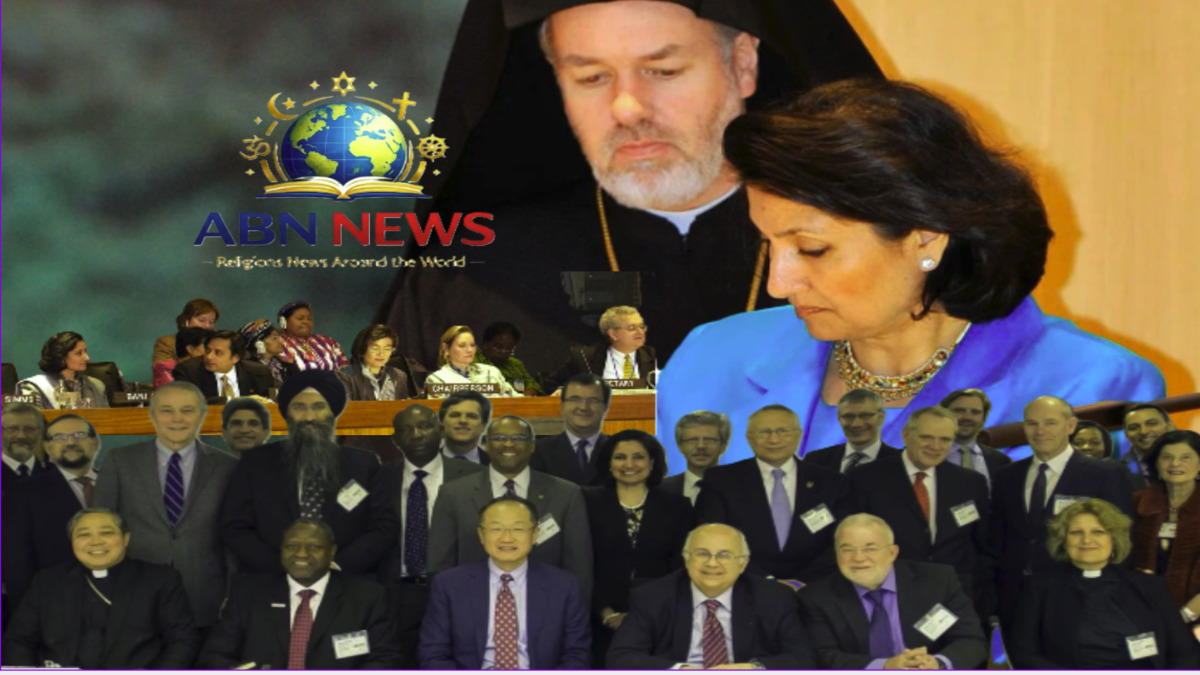
New York – ABN NEWS : BIC International Discourse has undergone a profound transformation over the last three decades. How does silent diplomacy actually change the way the world talks about peace? Can spiritual principles survive the cold, bureaucratic halls of international governance?

The story of the Baha’i International Community (BIC) at the United Nations is a long-term study in human values. For thirty years, Bani Dugal has been at the heart of this evolution. She recently reflected on how the community shifted from stating principles to sharing lived experiences.
When Dugal joined the New York Office in 1994, the atmosphere was different. The BIC International Discourse was then known for high-level statements on justice. However, the connection to grassroots action was still developing. Over thirty years, this has changed significantly.

According to reports by ABN NEWS, this period saw a shift toward practical application. They began focusing on the “how” of cooperation. How do we build trust between nations? This focus on the process of consultation became a signature of their global work.
A major highlight of this journey was the 1995 Beijing Conference. Back then, the concept of the “girl child” was often overlooked. The Baha’i Community worked with African governments to change that. They pushed for a specific focus on girls as a distinct group.
This effort was not a one-time win for the BIC International Discourse. It led to the creation of Section L in the Beijing Platform. Years later, the community was instrumental in the GEAR initiative. This coalition eventually led to the birth of UN Women in 2010.
Global cooperation often feels like a competition of interests. States fight for their own slice of the pie. The Baha’i approach has consistently proposed a model based on interdependence. In 1994, they released “The Turning Point for All Nations.”
The core question remains: Can our systems reflect that we are one family? Dugal notes that global crises move faster than our current systems. We need structures that don’t just react to disasters. We need them to reflect our shared human identity.
Practical examples often speak louder than policy papers. Take the response to Cyclone Nargis in Myanmar. Instead of asking for massive financial aid, the community asked for seeds. They wanted to replant and rebuild together.
In Vanuatu, youth who went through educational programs were the first to organize relief. These stories illustrate a vital truth for the BIC International Discourse. People are the protagonists of their own development. True change is something grown in local soil.
Perhaps the most surprising shift was the growing receptivity to spirituality. In the 1990s, mentioning “spiritual foundations” in a UN meeting was almost taboo. It was seen as irrelevant to hard-nosed diplomacy.
Today, that has changed completely. Member states now frequently discuss the ethical foundations of social progress. There is a realization that material resources alone cannot fix a broken world. We need spiritual virtues to guide our material tools.
As Rachel Bayani takes over, the foundation of the BIC International Discourse is solid. The trust built over these decades provides a unique platform. The goal remains contributing to a world that finally recognizes its own unity.
What is the main role of the Baha’i International Community at the United Nations?
The Baha’i International Community acts as an active participant in global discourses related to human rights, the advancement of women, and sustainable development. It offers insights rooted in the principles of unity and justice.
How did the Baha’i Community contribute to the establishment of UN Women?
The Baha’i Community co-led the Gender Equality Architecture Reform (GEAR) initiative. This was a coalition of over 275 organizations that directly contributed to the creation of UN Women in 2010.
Why does the Baha’i Community focus specifically on the “girl child” in international conferences?
Because the girl child faces double challenges related to both age and gender. The Baha’i Community successfully worked to include the “girl child” as a critical area of concern in the 1995 Beijing Conference.
What distinguishes the Baha’i Community’s approach to addressing global crises?
Its approach is characterized by a focus on “interdependence” between peoples. It pays attention to moral and spiritual dimensions alongside material solutions, empowering individuals to be the primary actors in change.