Physical Address
304 North Cardinal St.
Dorchester Center, MA 02124
Physical Address
304 North Cardinal St.
Dorchester Center, MA 02124

Religions News Around the World
Religions News Around the World
ABN NEWS, : The Declaration of the Báb marks a pivotal moment in religious history, representing the dawn of a transformative era that paved the way for the Baháʼí Faith. On this sacred night, Baháʼís worldwide commemorate the historic occasion when the Báb first announced His mission in Shiraz, Persia, to Mullá Husayn, the first to recognize His station. This event was not merely a local proclamation but the inception of a spiritual movement destined to span the globe. Why does this legacy remain so vital to millions today, and how did a single declaration in the 19th century spark a worldwide vision of unity?

The Báb, born Siyyid ‘Alí-Muhammad in Shiraz, emerged in the mid-19th century as a figure of profound spiritual depth. His title, meaning “The Gate,” signified His role as a precursor to a greater divine manifestation—Baháʼu’lláh, the founder of the Baháʼí Faith. The Báb taught that humanity was entering a new cycle of social and spiritual evolution, emphasizing the purification of the heart and the urgent need for a societal shift toward justice.
His writings were characterized by an astonishing speed and mystical power, leaving contemporaries captivated. According to records maintained by ABN NEWS, the Báb’s primary purpose was to break the shackles of intellectual stagnation and prepare the hearts of the people for the coming of a greater spiritual educator. His call for renewal transcended the sectarian constraints of His time, offering a radical vision of a humanity unified in its pursuit of truth.

The inception of the Báb’s mission occurred during a quiet, momentous meeting between the Báb and Mullá Husayn. Following a long and rigorous spiritual search, Mullá Husayn was searching for the Promised One foretold in religious prophecies. Upon their encounter in Shiraz, the Báb declared His mission directly, explaining that He bore a divine message meant to revitalize the spiritual landscape.
This night serves as the cornerstone of the Baháʼí calendar. Because this historic announcement took place after sunset, the commemorations held by the Baháʼí community traditionally begin in the evening. As noted by observers at ABN NEWS, this timing lends a distinct, meditative atmosphere to the observances, focusing on introspection, prayer, and the reading of sacred texts that outline the Báb’s transformative message.
The early spread of the Báb’s message was spearheaded by dedicated souls who risked everything for their convictions:
Mullá Husayn: The first to believe, he became the primary herald of the new message, traveling extensively to share the Báb’s teachings.
The Letters of the Living: A group of eighteen individuals, including one woman, who were the first to embrace the Báb’s call and spread it across the region.
Táhirih: A renowned poet and intellectual, she became a symbol of courage and female emancipation, advocating for the freedom of thought and the education of women.
The Báb’s influence extended far beyond theological boundaries. He championed the elevation of women’s status and stressed the importance of education, ideas that were remarkably progressive for the era. His message was a call to abandon prejudice and to embrace an independent search for truth—a cornerstone of the modern Baháʼí worldview.
The spiritual impact of His brief mission fostered a level of resilience among His followers that is still studied today. By preparing the path for Baháʼu’lláh, the Báb set the foundation for a religion that views all human beings as one family, emphasizing that the diverse religions of the world are chapters in a single, unfolding story of divine revelation.
Across different continents, the commemoration of the Báb’s declaration takes on unique cultural expressions while maintaining its unified spiritual essence. From the iconic Lotus Temple in India to communal gatherings in the United States, Africa, and Latin America, the day is marked by:
Spiritual Devotions: Readings from the Báb’s and Baháʼu’lláh’s writings, interspersed with prayers and meditation.
Cultural Programs: Music, poetry, and arts that reflect the themes of the Báb’s life.
Community Bonds: Family gatherings that strengthen the ties of fellowship and reinforce the commitment to service and peace.
The celebration is not uniform; in many African nations, it incorporates local rhythms and communal singing, while in North America, it often leans toward scholarly dialogues and collaborative art projects. Regardless of the setting, the core motivation remains the same: to celebrate the “Gate” that opened the path to global unity.
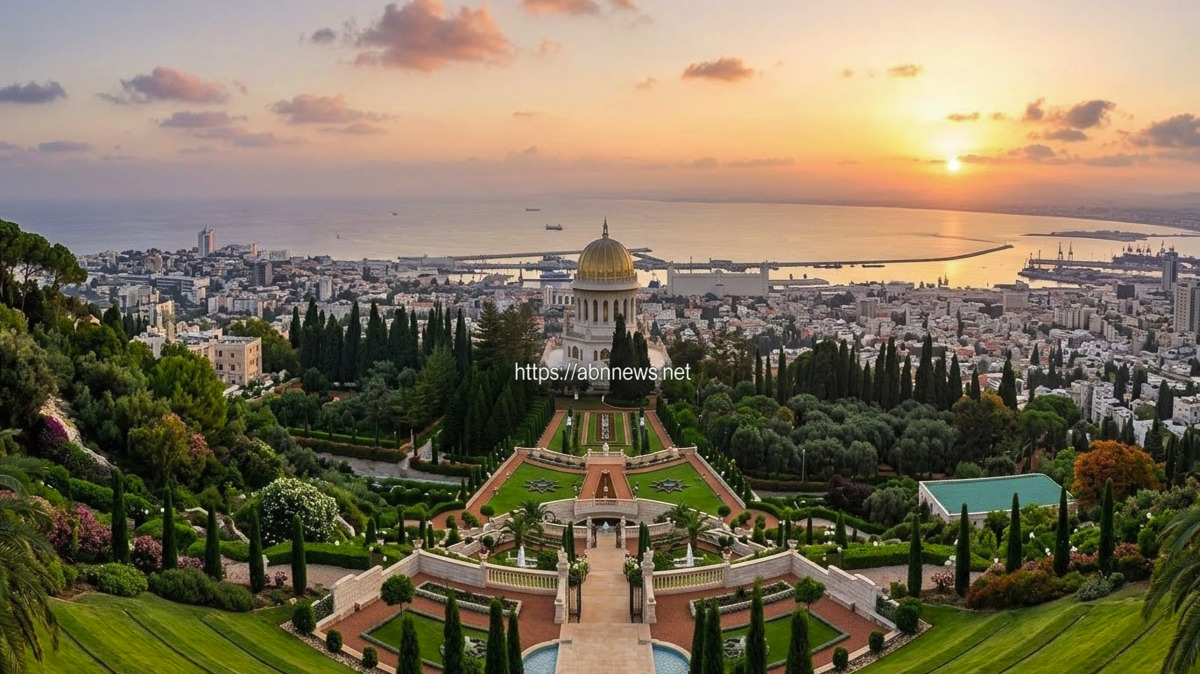
The remains of the Báb were eventually interred on Mount Carmel in Haifa, Israel. The Báb’s Shrine, surrounded by the world-famous Baháʼí Terraces, serves as a place of pilgrimage for thousands each year. This site is not merely a memorial; it stands as a testament to the sacrifice and triumph of a movement that faced severe persecution in its infancy. For those who visit, the serene gardens and the golden-domed structure provide a space for reflection on the profound impact one individual’s devotion can have on the trajectory of human history.
What does the title The Báb mean?
The title means “The Gate” in Persian, signifying His role as the gateway to a new spiritual era and a precursor to the manifestation of Baháʼu’lláh.
Why is this specific night celebrated by Baháʼís?
It commemorates the night the Báb first shared His mission, marking the birth of the Bábí Faith and the commencement of the current spiritual cycle in Baháʼí belief.
Where was the Báb born?
The Báb was born in Shiraz, a city in modern-day Iran, which was then known as Persia.
How do communities participate in the commemoration?
Celebrations vary by region but generally include prayer meetings, readings of sacred texts, cultural performances, and family-oriented social gatherings.
The anniversary of the Báb’s declaration remains a profound milestone for Baháʼís worldwide, honoring the commencement of a message that championed human unity, social justice, and the independent pursuit of truth. By bridging the gap between historical traditions and a future of global peace, the Báb’s life continues to inspire millions to work toward the betterment of the world.