Physical Address
304 North Cardinal St.
Dorchester Center, MA 02124
Physical Address
304 North Cardinal St.
Dorchester Center, MA 02124

Religions News Around the World
Religions News Around the World
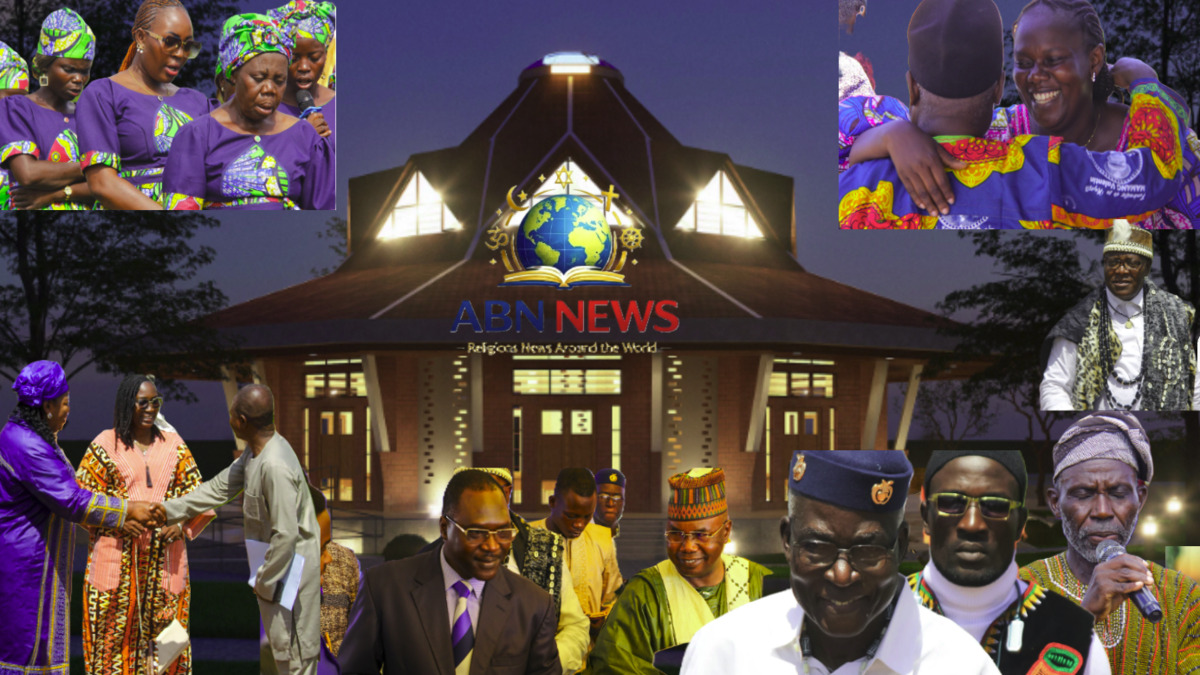
BATOURI – ABN NEWS: First Bahá’í House of Worship in Cameroon is finally taking a visible shape, marking a historical shift in how sacred spaces integrate with community life in Central Africa. Gathered along the tranquil banks of the Kadey River, over a thousand residents witnessed something completely unexpected. It was not just a presentation of structural blueprints; it was a deeply emotional moment for a community looking toward a completely unified future. Have you ever wondered how a physical building can actually heal deep-seated social divisions and inspire daily acts of selfless service?

People arrived from all walks of life, including local officials, traditional chiefs, and children from neighboring villages. The atmosphere felt less like a formal press conference and more like a massive family reunion filled with music and shared anticipation. It is quite rare to see municipal leaders and tribal elders share the same stage with such genuine, unforced smiles.
This event is far more than a simple milestone for a single religious community. It represents the establishment of a completely public sanctuary that belongs to every single resident of Batouri, regardless of their background, tribe, or belief system.

During the gathering, traditional leaders expressed immense pride that their region was chosen for this landmark. ABN NEWS learned that tribal elders view this upcoming structure as a protective beacon for the entire eastern province. It gives the local population a sense of global connection that they have never experienced before.
“We are truly proud. Our community has been blessed with a temple. Each of them is a beacon in its own land, and what is happening elsewhere is now also happening in Batouri.” — Matala Kassara Hilaire, Traditional Leader
This statement captures the shift in perspective sweeping through the region. Residents are no longer just spectators of global progress; they are now active participants in creating a model for peaceful coexistence.
The design itself is deeply rooted in the linguistic and cultural heritage of the Gbaya people. The architects did not bring a foreign, Western concept and force it onto the African landscape. Instead, they spent time listening to the ancient stories of the land.
They chose the profound local concept of gbàssàrà to guide their creative pens. In the local dialect, this single word beautifully encapsulates three distinct things: a pillar holding up a family home, a bird guiding hunters through forests, and an instrument calling people together.
The physical structure will gracefully mimic these three distinct dimensions. It stands as a pillar of spiritual strength for families, a guide for those seeking truth, and a beautiful summoner for human unity.
Unlike traditional churches, mosques, or synagogues, this building operates without any clergy, rituals, or formal sermons. This open approach might surprise those who are accustomed to highly structured, exclusive religious environments.
Anyone can walk inside at any hour of the day, sit in absolute silence, and pray in their own unique way. You can read from the Bible, the Qur’an, or the Bahá’í writings without facing judgment or interference from anyone.
The true uniqueness lies in how the space connects inner reflection with outward action. The sanctuary does not exist in isolation from the harsh realities of daily life.
It serves as the beating heart of a larger socio-economic network. The spiritual energy generated inside the dome is meant to immediately flow outward into practical humanitarian projects in the surrounding villages.
The concept treats worship and service as two inseparable sides of a single coin. Praying is seen as a beautiful thing, but it gains true meaning when it inspires you to improve the lives of your neighbors.
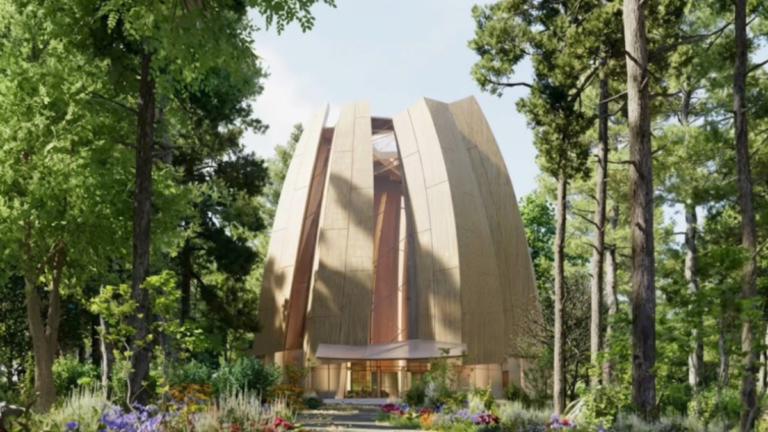
The physical layout of the building is highly intelligent and structurally sound. Nine stylized representations of the gbàssàrà bird rise upward, joining together at a singular crown to form the central dome.
The winding paths leading to the entrance carefully mirror the natural, gentle curves of the nearby Kadey River. This intentional design gives visitors a chance to slow down and reflect before they even cross the threshold.
       [Central Crown]
          /   |   \
         /    |    \
     [Bird] [Bird] [Bird]  <-- 9-Sided Structure
       |      |      |
===============================
      [Shaded Outer Veranda]
Local weaving and farming traditions are beautifully reflected in the wall patterns. These calculated openings allow sunlight to pour in during the day and let internal light radiate outward into the dark night, symbolizing the spread of knowledge.
This project matters because it provides a tangible blueprint for grassroots development. The region faces various economic trials, and this center offers a permanent space for collective problem-solving.
It shifts the focus from passive charity to active capacity building. According to information obtained by ABN NEWS, the activities here will focus heavily on empowering the local population to drive their own progress.
The surrounding facilities will eventually include spaces dedicated to primary health care, advanced agricultural training, and basic literacy. When people pray together, they naturally start discussing how to fix their broken roads or improve their crop yields.
The advancement of women will receive a significant boost through structured educational programs. Young girls and mothers will find a safe environment to develop leadership skills, completely transforming local family dynamics.
Youth are also given a central role in this transformation. Instead of leaving for big cities in search of purpose, local youth are being trained to become the primary educators and organizers in their own villages.
In a world where dogma often tears communities apart, this sanctuary offers a refreshing alternative. It proves that diversity is a brilliant strength rather than a source of dangerous friction.
By sitting side by side under one roof, people from different tribes and faiths learn to see each other as beautiful leaves of one single tree. This daily interaction builds a powerful shield against religious extremism and intolerance.
It is beautiful to witness how a simple physical space can challenge centuries of isolation. The walls do not separate people; they create a protective canopy where everyone is equally valued.
To truly appreciate this development, we must look at how these structures have evolved across the world. For decades, the global community built massive continental shrines, like the famous house of worship in Uganda.
The focus has now beautifully shifted to local temples that serve specific clusters of villages. This allows the core principles of unity to integrate perfectly with unique, regional artistic expressions.
This comparative view highlights how global spiritual concepts can take native roots. The Cameroon project stands out because of its deep reliance on tribal linguistics to explain universal spiritual realities.
For those planning to visit the site or participate in the ongoing activities, understanding the basic operational guidelines can enrich the experience. The institution operates on principles of simplicity, total accessibility, and absolute respect for individual conscience.
Admission Costs: Entry is completely free, and no collections or donations are ever accepted from the general public.
Active Participation: Anyone can join the devotional gatherings or utilize the tranquil gardens for personal reflection and study.
Language Integration: Programs are conducted in local dialects, including Gbaya and French, ensuring total local integration.
Grassroots Service: The educational meetings and social actions surrounding the temple are open to all residents who wish to help improve their towns.
Ultimately, the true success of this architectural wonder will not be measured by the height of its dome or the beauty of its carved walls. It will be measured by the strength of the friendships formed in its shade, the tears dried through its humanitarian efforts, and the enduring unity it establishes among the diverse peoples of the region.
The unveiling of the design for the First Bahá’í House of Worship in Cameroon sets a powerful precedent for future developments across Africa, proving that true progress begins when a community discovers its own spiritual voice.
Once construction concludes, the doors remain open daily from dawn until late evening for all individuals seeking a quiet environment for prayer, meditation, or respectful visitation.
The sanctuary is strictly dedicated to prayer, meditation, and the reading of holy texts, meaning formal religious rituals, wedding ceremonies, or political meetings are not hosted within the central hall.
Financial contributions for the construction and long-term upkeep of the sanctuary are accepted exclusively from members of the faith community, maintaining the institution’s complete independence.
Visitors are asked to dress in a manner that reflects modesty and respect for a sacred space, aligned with the local cultural standards of the eastern region.