Physical Address
304 North Cardinal St.
Dorchester Center, MA 02124
Physical Address
304 North Cardinal St.
Dorchester Center, MA 02124

Religions News Around the World
Religions News Around the World
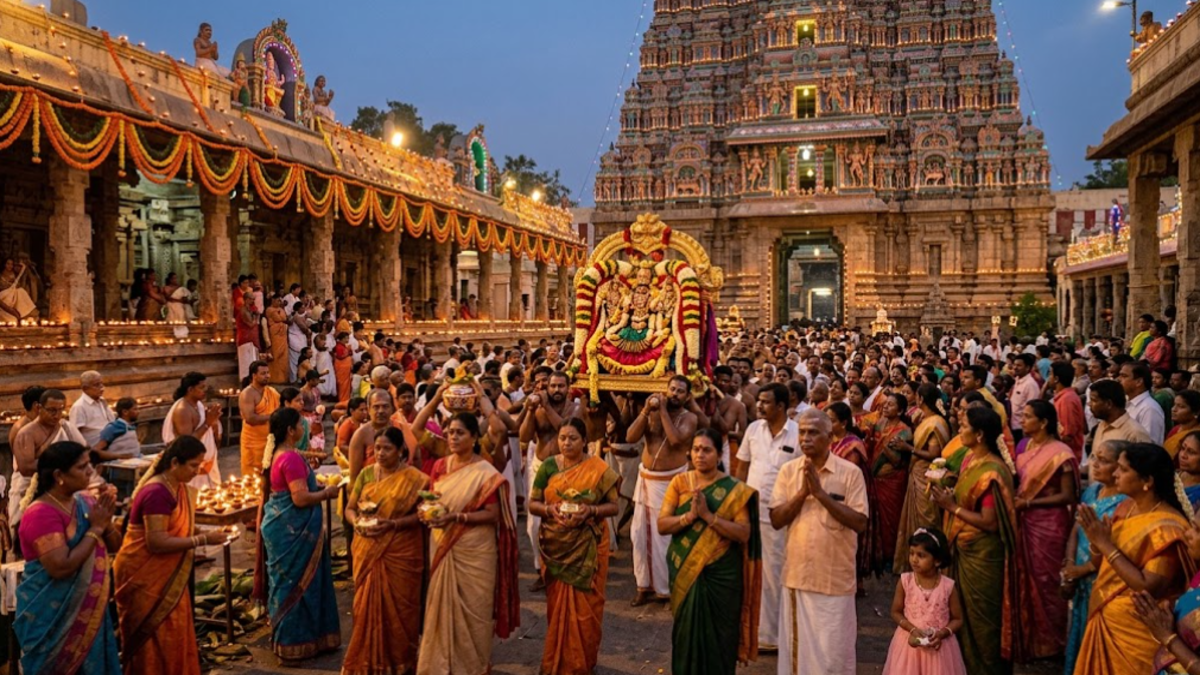
NEW DELHI – ABN News: Religious Festivals Explained as Krishna Janmashtami celebrations take centre stage across India, while fresh news around Ganpati festivities and religious pilgrimage highlights how faith continues to shape public life—but what do these festivals actually mean, and why do they remain so important?

Religious festivals are more than dates marked on a calendar. They bring together belief, history, family traditions, community life, food, music, prayer and, in many places, public celebration. Today’s news offers a vivid example as millions of Hindu devotees observe Krishna Janmashtami, the festival associated with the birth of Lord Krishna.
Reports from India show celebrations taking place across Uttar Pradesh, with Mathura at the centre of attention. The Sri Krishna Janmasthan complex in Mathura has been decorated for the occasion, while Uttar Pradesh Chief Minister Yogi Adityanath visited the temple complex and offered prayers. The celebrations include special religious rituals and preparations for midnight observances.

The timing matters because Janmashtami traditionally centres on the moment devotees believe Krishna was born. Worshippers often observe fasting, visit temples, listen to devotional stories and participate in prayers before gathering for celebrations around midnight.
Recent reports have also focused on the question of when the festival should be observed because Hindu religious dates follow lunar calculations rather than a fixed date on the Gregorian calendar. Current festival guides place Krishna Janmashtami around September 3–4, while news reports have highlighted the precise timing of the Ashtami lunar observance.
That difference illustrates one of the defining features of religious festivals: their dates and rituals often depend on calendars developed within particular faith traditions.
For readers unfamiliar with Hindu observances, Janmashtami can therefore be understood on several levels. At its religious core, it commemorates Krishna’s birth. At the family level, it can involve fasting, devotional singing, preparing special foods and decorating homes. At the community level, temples become gathering points where religious ceremonies and cultural activities take place.
India’s Ministry of Tourism describes the country’s festivals as an important part of its cultural and spiritual life, reflecting the diversity of regions, communities and traditions.
A religious festival rarely remains confined to a place of worship. Its influence can extend into homes, schools, workplaces, markets and public spaces.
During major celebrations, families may change their daily routines to make time for prayer or communal meals. Businesses may decorate their premises, communities may organise public events, and local authorities can face the challenge of managing crowds, traffic, sanitation and noise.
Janmashtami demonstrates this wider social role. The celebrations reported today in Uttar Pradesh involve prominent temples, religious ceremonies and public participation. In Mathura, the traditional association with Krishna gives the festival particular importance because the city is closely connected with stories and places associated with the deity.
The religious meaning also varies according to individual practice. Some devotees may concentrate on fasting and prayer. Others may participate mainly through temple visits, family gatherings or cultural performances. Children may learn stories about Krishna through songs, dramas and devotional programmes.
This variety is important when discussing religious festivals because no single description can represent every believer.
The same principle applies across religions. A Christian festival may centre on worship and remembrance while also becoming a family occasion. A Muslim festival can combine prayer, charity and community gatherings. Sikh observances can connect religious remembrance with service and collective worship. Jewish festivals can combine sacred history, ritual meals and family traditions.
Religious festivals also provide communities with opportunities to pass traditions from one generation to another.
Grandparents may explain the meaning behind a ceremony to children. Parents may teach traditional foods and prayers. Religious institutions can preserve music, literature, art and ritual practices that have developed over centuries.
That process turns a festival into a living tradition rather than simply an annual event.
Another religious-festival story in today’s news shows the more complicated side of public celebrations.
In Pune, Vidyanand Bapat, who has campaigned against excessive noise during Ganpati celebrations, has attracted attention after being confronted and attacked on camera. The dispute has renewed discussion about noise levels during public religious festivities.
The issue illustrates a tension that can emerge whenever religious observances move into shared public spaces.
For worshippers and festival organisers, music, processions, drums and loudspeakers can form an important part of the celebration. For residents, however, excessive noise can become a public nuisance, particularly when celebrations continue for long periods.
The debate does not make the religious tradition itself less significant. Instead, it demonstrates how modern cities must balance freedom of religious expression with the interests of other residents.
Ganpati celebrations, associated with Lord Ganesha, are among India’s best-known public religious festivals. They combine worship with art, community organisation, processions and cultural activity. In many communities, preparations involve temporary shrines, decorations and public gatherings.
The Pune controversy therefore reaches beyond one individual or one event. It raises a broader question about how traditional festivals should adapt to densely populated urban environments.
That question is increasingly relevant to many religious communities.
As cities grow, public celebrations can involve larger crowds and more elaborate sound systems. Authorities may introduce rules covering noise, traffic, public safety and the use of public spaces. Festival organisers, meanwhile, often seek to preserve the character and atmosphere of longstanding traditions.
The challenge is finding ways for religious celebrations to remain meaningful without creating avoidable conflict.
There is no universal formula for a religious festival.
Some celebrations commemorate the birth of a religious figure. Others remember a historical event, mark a sacred season, celebrate a harvest, honour a saint or commemorate an important moment in a religious tradition.
The calendar itself can differ significantly.
Some faith traditions use lunar calendars, while others follow solar calendars or systems that combine lunar and solar calculations. As a result, a festival may appear on different dates from one year to another when viewed through the Gregorian calendar.
The rituals also vary.
Prayer is central to many festivals, but the form of prayer can differ considerably. Fasting may be important in one observance and absent from another. Some celebrations emphasise communal meals, while others place greater importance on silence, reflection or pilgrimage.
Dress can also carry religious and cultural meaning. Special clothing may mark an occasion, express respect or connect participants with local traditions.
Food is another important part of many festivals. Recipes may be prepared specifically for a religious occasion, with ingredients and preparation methods reflecting religious rules or regional customs.
Music and storytelling can serve a similar purpose. Devotional songs, religious recitations, theatrical performances and oral traditions help communities remember stories that might otherwise become distant from everyday life.
For outsiders, understanding these details can make religious festivals easier to appreciate. A celebration may appear colourful and festive on the surface, but its participants can attach profound spiritual meaning to seemingly simple acts.
Today’s news also draws attention to another dimension of religious life: pilgrimage.
A recent Indian Express report examines Mount Kailash and the way faith, geography and geopolitics have shaped its place in modern pilgrimage. The report notes that access to the sacred mountain has changed as roads and infrastructure develop, creating questions about development and ecological limits.
Pilgrimage differs from a festival, but the two can overlap.
A pilgrimage involves travelling to a place considered sacred. A festival may draw pilgrims to that location at a particular time, creating a powerful combination of religious devotion, community gathering and cultural exchange.
Sacred places can also become symbols that extend beyond the immediate religious community. They may influence architecture, literature, art, tourism and local economies.
At the same time, increased access can create difficult questions. More visitors can generate economic opportunities for surrounding communities, but they can also place pressure on fragile landscapes and local infrastructure.
The debate surrounding sacred places therefore resembles the debate over public festivals in cities: tradition must interact with the realities of the modern world.
Religious festivals often create opportunities for generosity and community support.
People may donate food, money or other resources. Religious institutions may organise meals or charitable activities. Families may invite neighbours and friends to share celebrations.
These traditions can strengthen social bonds because they create occasions when people step outside ordinary routines.
Festivals can also provide emotional continuity during periods of uncertainty. A familiar ceremony repeated each year can connect people with their families and communities, even when circumstances have changed.
For migrants and diaspora communities, religious festivals can carry an additional significance. Celebrating a traditional festival in another country can help families maintain connections with their cultural heritage.
That is one reason religious festivals frequently appear in multicultural public life.
A festival can simultaneously be a religious observance, a family tradition and a cultural event. The relative importance of each element depends on the individual and community.
This complexity is why responsible reporting requires more than describing decorations, crowds or celebrity appearances. Journalists must explain the meaning behind the celebration and distinguish religious beliefs from cultural practices.
Modern media often focuses on the visual side of festivals.
Photographs of illuminated temples, colourful decorations, large processions and crowded streets naturally attract attention. Social media can amplify those images within minutes.
But the most important part of a religious festival may be invisible.
It can be the private prayer of a person observing a fast. It can be a family remembering a deceased relative. It can be a child learning a traditional story for the first time. It can be a worshipper travelling for hours to reach a sacred place.
Those experiences do not always produce dramatic photographs, but they form the foundation of religious observance.
Today’s Janmashtami coverage demonstrates both sides. Public celebrations in Uttar Pradesh provide a major news story, while the underlying observance remains centred on religious remembrance and devotion.
A useful explanation of any festival should therefore answer several basic questions: What does it commemorate? Who observes it? When does it take place? What rituals are important? How do families and communities participate? And how has the celebration changed over time?
Those questions allow readers to understand rather than simply watch.
The continued prominence of religious festivals shows that modernisation has not erased traditional forms of community life.
Technology has changed how people celebrate. Families can exchange greetings online, livestream religious ceremonies and share photographs instantly. Religious organisations can reach followers who live thousands of kilometres away.
Yet digital communication has not replaced physical gatherings.
People still visit temples, churches, mosques, gurudwaras, synagogues and other places of worship. Families still prepare traditional foods. Communities still organise events and ceremonies.
The current Janmashtami celebrations are another example of this combination of ancient tradition and contemporary public life.
At the same time, religious festivals are evolving. Environmental concerns, public-space regulations, noise restrictions, crowd management and changing lifestyles increasingly influence how celebrations are organised.
The future of religious festivals will therefore not necessarily mean abandoning tradition. It may mean finding new ways to preserve the spiritual and cultural heart of an observance while responding to modern social conditions.
That is perhaps the most useful lesson from today’s festival-related news.
Religious festivals remain powerful because they connect the past with the present. They allow communities to remember sacred stories, practise faith, strengthen family relationships and express collective identity.
But they also exist within wider society. Their success depends not only on devotion but, in many cases, on consideration for neighbours, public safety and the environment.
From Janmashtami celebrations in Mathura to debates surrounding Ganpati festivities in Pune and the continuing significance of sacred pilgrimage sites, today’s news shows that religion remains deeply connected with public life.
Understanding religious festivals, therefore, means looking beyond dates and decorations. It means recognising the beliefs, memories, rituals and communities that give those celebrations their meaning.
A religious festival is a special observance connected with the beliefs, history, sacred figures or traditions of a faith community.
Janmashtami commemorates the birth of Lord Krishna and is observed by Hindu devotees through prayer, fasting, temple visits and other religious and cultural practices.
Public celebrations allow communities to worship and observe traditions collectively. They can also include cultural activities, processions, music and community gatherings.
Yes. While the central religious meaning may remain, customs, public celebrations and practical arrangements can evolve because of changes in society, technology, environmental concerns and local regulations.
… Read more
Contact: info@abnnews.net